A review
Click on images for larger view
The New American Flyer
2-8-8-2 Y3
A review
Click on images for larger view
|
|
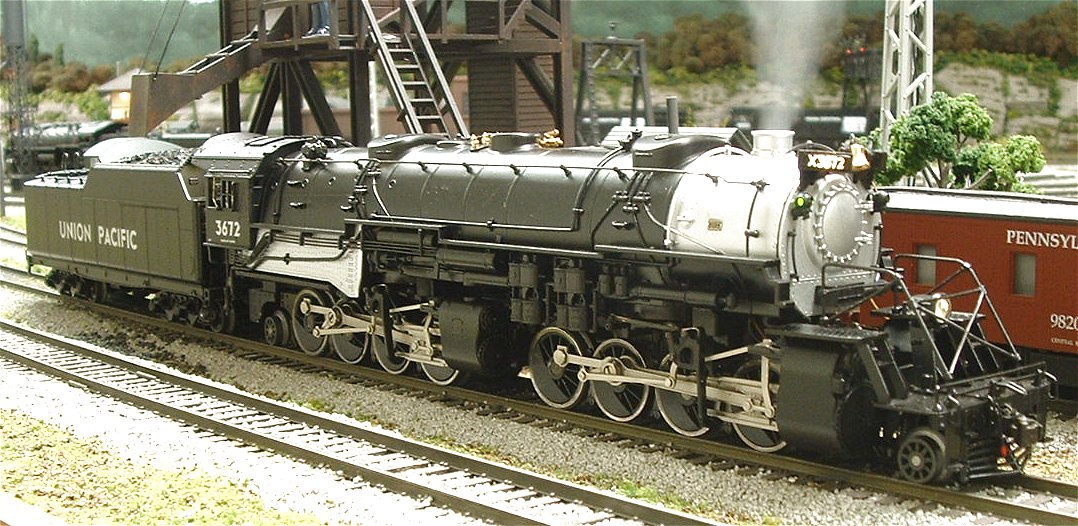
These big locomotives developed over 100,000 pounds of tractive effort on their 16 57 inch drivers and weighed in at 240 tons. Alco, Baldwin and the N&W all built various examples of the class. Major differences between subclasses of the Y-2 and Y-3 were cylinder size, boiler tubes and tenders. The locomotives enjoyed long careers on many lines, but none as long as the N&W. These earlier 2-8-8-2s were in service as late as 1959. The N&W was still building new 2-8-8-2′s, the ultra-modern Y-6b, in 1952 |
|
|
|
|
|
|
|
|
|
|
|
|
|
|
|
|
|
|
|
|
|
|
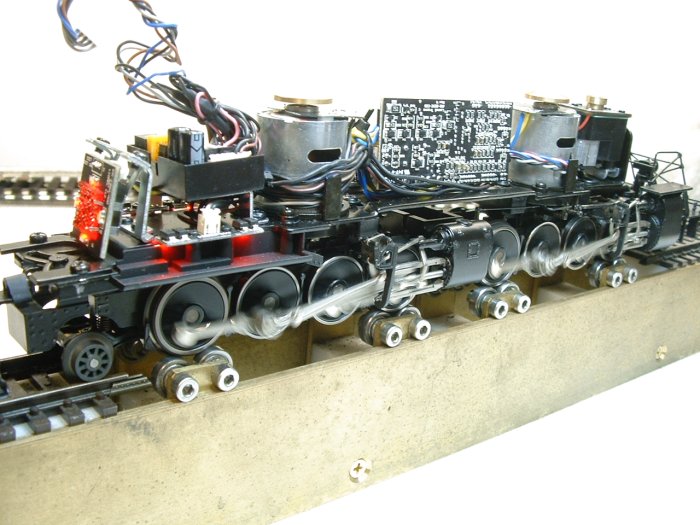
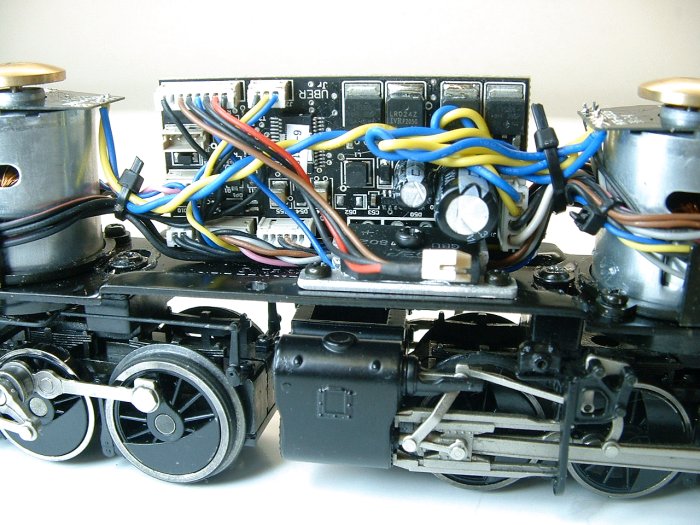
The BEMC Legacy Driver board is in
the middle of |
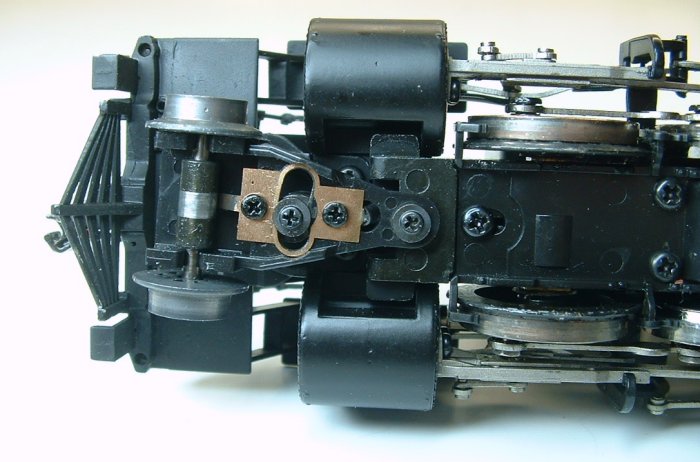
The motor and drive is a new design
for AF locos. The motor is fixed to the chassis therefore eliminating
any strain on the wiring. You can see the slotted holes for
the drivers assembly swivel screws. |
|
|
|
|
|
|
|
|
|
|
|
|
|
|
|
|
|
|
|
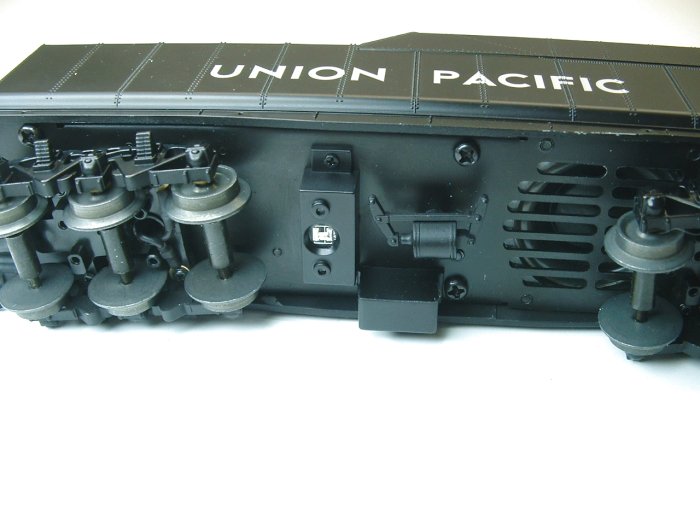
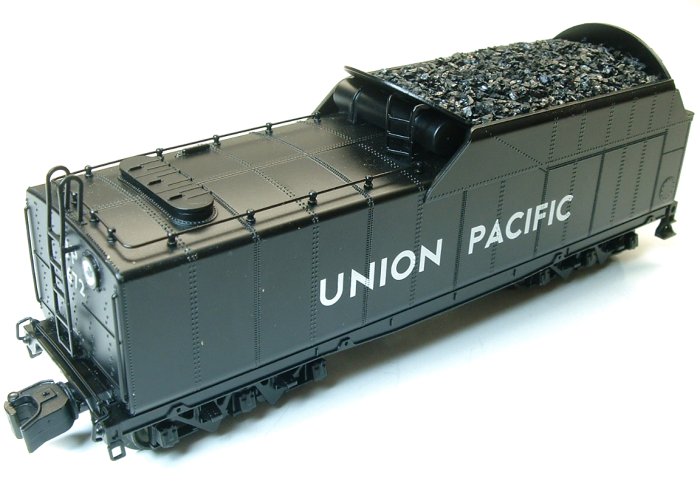
The tender has a new sound baffle
system. |
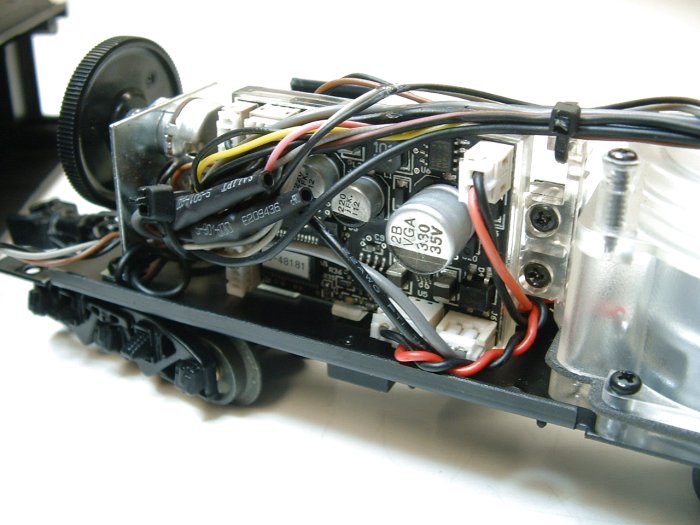
Here is the Railsounds board and volume control. The volume knob is accessible through a removable water hatch on the tender. |